
Sofa Shopping Checklist in South Africa: What to Check Before You Buy
Buying a sofa is one of the biggest furniture decisions you’ll make for your home. It’s the piece your family gathers around for movie nights, the spot guests sink into over coffee, and, if you have kids or pets, the surface that takes the most daily wear in the house. Get it right, and it anchors your living room in comfort and style for a decade or more. Get it wrong, and you’re stuck with a sagging, mismatched, or fabric-stained regret every time you walk into the room. Continue to read more about Sofa Shopping Checklist in South Africa.
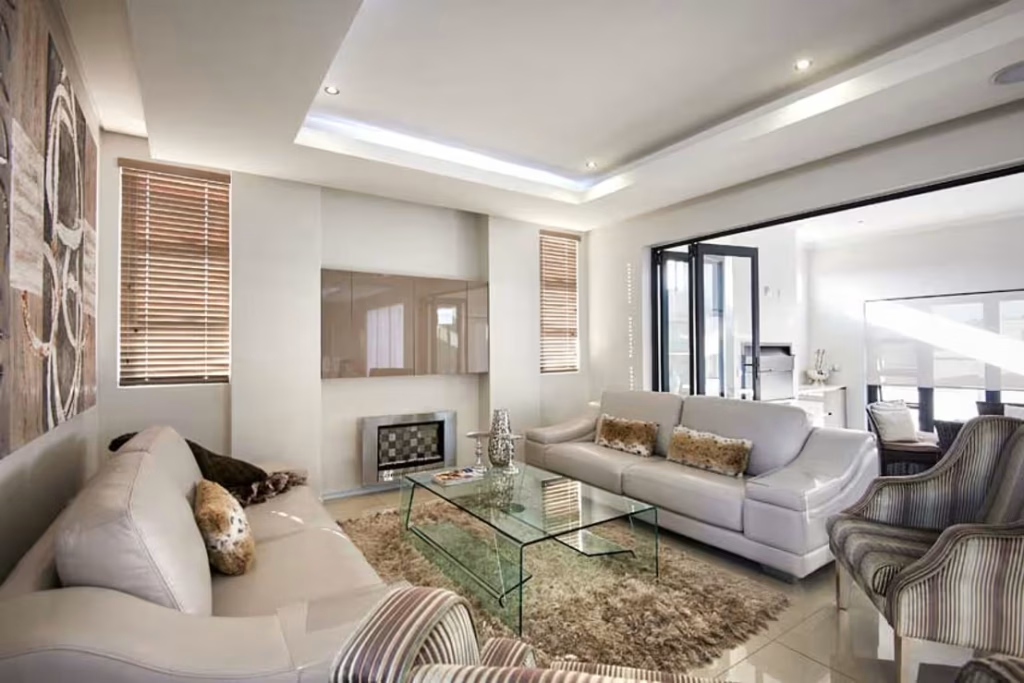
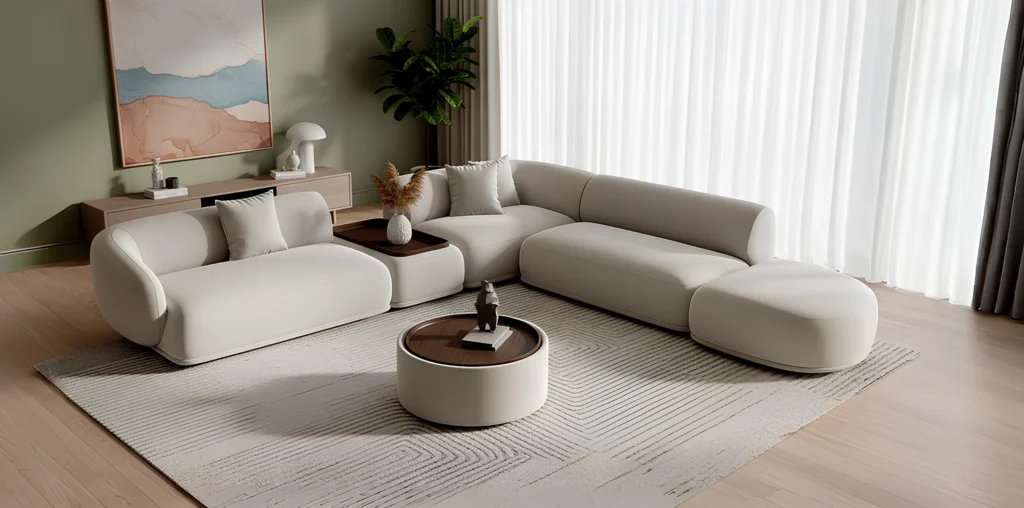
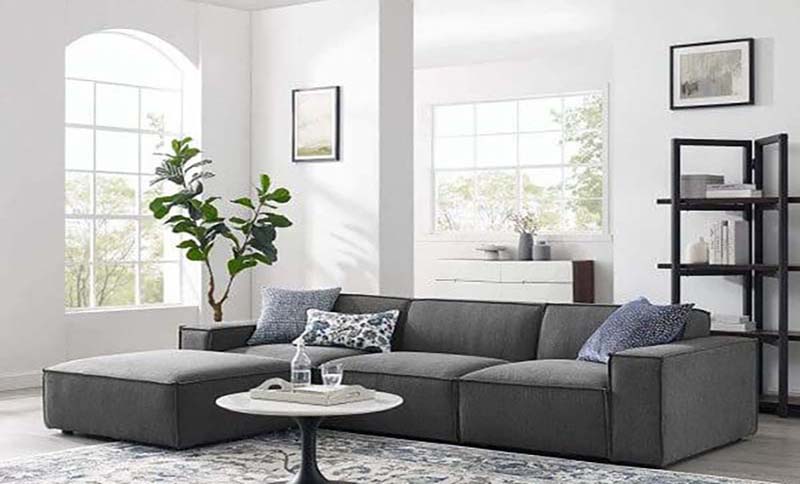
Having spent time researching South Africa’s furniture retailers, upholstery standards, and the practical realities of local homes, from coastal humidity in Durban to strong UV exposure in Gauteng and the Karoo, this guide distils everything into one practical checklist. Whether you’re shopping in-store at a Cape Town showroom or ordering online for delivery to Polokwane, these are the questions worth answering before you commit.
Why You Need a Checklist Before You Shop
Showrooms are designed to sell. Soft lighting, styled cushions, and a sofa that looks perfect under spotlights can make it easy to overlook practical details that matter once the piece is in your actual living room. A checklist keeps you focused on what actually determines whether a sofa performs well for years: fit, frame, fabric, comfort, and value. Walking in with a clear list also means you ask retailers the right questions instead of relying purely on how a couch looks on the showroom floor.
1. Measure Your Space Before You Measure the Couch
Before browsing a single fabric swatch, grab a tape measure and get the real numbers.
- Room dimensions: Measure the length and width of the space where the sofa will sit, and mark out the footprint with tape or newspaper on the floor.
- Doorways, hallways, and staircases: A sofa that fits your lounge perfectly is useless if it can’t get through your front door or around a tight stairwell landing. Measure the narrowest point of your entry path, including door frames and any tight turns.
- Clearance space: Leave at least 75–90cm of walking space around the sofa so the room doesn’t feel cramped, and allow enough distance from the TV or fireplace for comfortable viewing.
- Ceiling and window lines: For high-backed or oversized sofas, check that the piece doesn’t awkwardly interrupt a window sill or feel too tall for the room’s proportions.
2. Decide on Sofa Type and Shape
South African homes come in every shape and size, from compact apartments in Johannesburg’s CBD to sprawling family homes in coastal suburbs. Match the sofa type to how you actually live:
- Two- or three-seater sofas suit smaller lounges, flats, or as a secondary seating option.
- L-shaped or corner (modular) couches work well for open-plan living areas and larger families who want lounging space.
- Chesterfield-style sofas bring a classic, tailored look and tend to suit more formal living rooms or studies.
- Sleeper couches are worth considering if you regularly host guests or live in a smaller home where a spare room isn’t an option. If you’re going this route, pay close attention to mattress thickness, the fold-out mechanism, and frame durability, since these are the details that separate a comfortable guest bed from a stiff, creaky disappointment after a few months of use.
- Modular sofas let you rearrange or add sections later, which is useful if you expect to move house or change your layout down the line.
3. Choose a Fabric That Suits South African Conditions
Fabric choice isn’t just about looks, it needs to hold up to local weather, sunlight, and lifestyle factors.
- Sun exposure: South Africa gets strong, consistent UV throughout the year. If your sofa sits near a window, choose fade-resistant fabrics or fit UV-filtering curtains and blinds to protect the colour over time.
- Humidity and coastal air: In coastal cities like Durban and Cape Town, moisture-resistant fabrics or leather with proper conditioning care will age better than fabrics prone to mildew.
- Households with kids or pets: Performance fabrics, tightly woven weaves, and darker or patterned upholstery hide everyday marks better than pale, loosely woven fabric. Removable, washable covers are a practical bonus.
- Genuine leather vs faux leather vs fabric: Genuine leather is durable and easy to wipe down but can feel hot in summer and is a bigger upfront investment. Fabric offers more colour and texture choice and tends to feel warmer underfoot in winter. Faux leather is a budget-friendly middle ground but generally has a shorter lifespan.
Always ask for a physical fabric swatch to take home. Colours and textures can look different under showroom lighting versus your own living room.
4. Check the Frame and Suspension Quality
The frame is the part of the sofa you can’t see but will determine whether it lasts five years or twenty.
- Frame material: Kiln-dried hardwood frames resist warping and hold joints better over time than softwood or particleboard frames, which can weaken with humidity changes.
- Joinery: Look for corner blocks, screws, and dowels rather than just staples or glue, which loosen faster under regular use.
- Suspension system: Sinuous (S-spring) or webbing suspension under the seat cushions affects how supportive and bouncy the seating feels. Sit down and shift your weight, a good suspension system shouldn’t feel like you’re sinking straight to the frame.
- Warranty on the frame: Reputable South African manufacturers and retailers often back their frames with multi-year warranties, sometimes extending well beyond the standard one- or two-year cover on cushions and fabric. A longer frame warranty is generally a good signal of the maker’s confidence in their construction.
5. Test Cushion Fill and Comfort
Cushion fill affects both comfort and how quickly a sofa starts to look tired.
- Foam density: Higher-density foam holds its shape longer. Lower-density foam is initially soft but can flatten within a year or two of daily use.
- Feather and fibre blends: These offer a plush, sink-in feel but need regular plumping to stay looking full.
- Combination cushions: Many quality sofas use a foam core wrapped in feather or fibre for a balance of support and softness — a good option if you want comfort without excessive maintenance.
- Sit-test properly: Sit in every seating position you’d realistically use, upright, reclined, and at the edge, for a few minutes each. Comfort that feels fine after 30 seconds can feel very different after watching a two-hour movie.
6. Set a Realistic Budget (and Know What Drives the Price)
Sofa prices in South Africa vary hugely depending on brand, materials, and whether a piece is imported, locally made, or custom order. Generally, price reflects:
- Frame and build quality (hardwood and reinforced joinery cost more but last longer)
- Fabric or leather grade (genuine leather and premium performance fabrics sit at the higher end)
- Local craftsmanship vs mass production (locally handcrafted, made-to-order sofas typically offer better quality control than pre-made stock, though often at a higher price point)
- Customisation (choosing your own fabric, arm style, or dimensions usually adds to the cost)
Before you shop, decide on a realistic budget range and stick to it, but also weigh cost-per-year of expected use rather than sticker price alone. A well-built sofa that lasts fifteen years can be better value than a cheaper one replaced every three.
7. Decide Where to Shop: In-Store vs Online
South Africa has a wide spread of furniture retailers, from budget-friendly chains to premium and locally handcrafted options, so it’s worth comparing a few before deciding.
Shopping in-store lets you sit on the actual couch, check the fabric texture in person, and ask staff directly about frame materials, warranty terms, and customisation options. This is especially useful for higher-value purchases where comfort is hard to judge from a photo.
Shopping online offers convenience and often a wider range, with delivery straight to your door. If you’re buying a couch online, be sure to:
- Order a fabric swatch before committing, if the retailer offers one
- Check the return and exchange policy in case the piece doesn’t suit your space
- Confirm delivery timelines and whether delivery includes assembly or placement in the room
- Read recent customer reviews for consistency of quality and delivery experience
Many South African retailers now offer both options, along with financing or layby plans, which can make higher-quality sofas more accessible if you’d rather spread the cost.
8. Confirm Delivery, Assembly, and Warranty Terms
Before finalising your purchase, get clarity on the practical details:
- Delivery timeframes, especially for made-to-order or custom pieces, which can take several weeks longer than in-stock items
- Delivery access, particularly for larger modular or L-shaped sofas, confirm the retailer has checked it will fit through your entry points
- Warranty coverage, including what’s covered on the frame versus the fabric or cushions, and what voids the warranty (for example, unauthorised cleaning products)
- Care instructions, so you know how to maintain the fabric or leather from day one
Quick-Reference Sofa Shopping Checklist
- Measured the room and confirmed clearance space
- Measured doorways, hallways, and staircases for delivery access
- Chosen a sofa type and shape suited to how you live
- Selected a fabric suited to sun, humidity, kids, and pets
- Checked the frame material and joinery
- Tested the suspension and sat in every seating position
- Reviewed cushion fill options
- Set a realistic budget based on long-term value
- Compared in-store and online options
- Confirmed delivery, assembly, and warranty terms
Frequently Asked Questions
How much should I budget for a good-quality sofa in South Africa? Prices vary widely by brand, materials, and size, so it’s best to compare a few retailers in your target style before setting a final number. Focus on frame quality and fabric grade rather than price alone, since these determine how long the sofa will last.
Is it better to buy a sofa in-store or online in South Africa? Both have advantages. In-store shopping lets you physically test comfort and fabric texture, while online shopping offers convenience and often wider selection. If buying online, always request a fabric swatch first and confirm the return policy.
What’s the most durable sofa fabric for South African weather? Tightly woven performance fabrics and quality leather tend to hold up best against strong UV exposure and, in coastal areas, humidity. Positioning the sofa away from direct, unfiltered sunlight also helps preserve colour over time.
How long should a good sofa frame last? A well-built hardwood frame with solid joinery can last well over a decade, and often longer, with reasonable care. This is why checking frame construction matters more than most shoppers initially expect.
A sofa is a long-term investment in your home’s comfort, so it deserves more than a quick decision based on looks alone. Work through this checklist, measurements, fabric, frame, cushions, budget, and delivery terms, and you’ll walk into any showroom or online store with the confidence to ask the right questions and choose a couch that genuinely fits your life, your space, and your climate for years to come.