
Mattress Buying Guide in South Africa: How to Choose the Right Mattress
Buying a mattress in South Africa can feel overwhelming. Between Bonnell springs, pocket springs, memory foam, latex, and hybrid constructions, not to mention a bewildering range of prices from a few thousand rand to R30,000 and beyond, it’s easy to walk into a showroom and leave more confused than when you arrived. Continue to read more about Mattress Buying Guide South Africa.
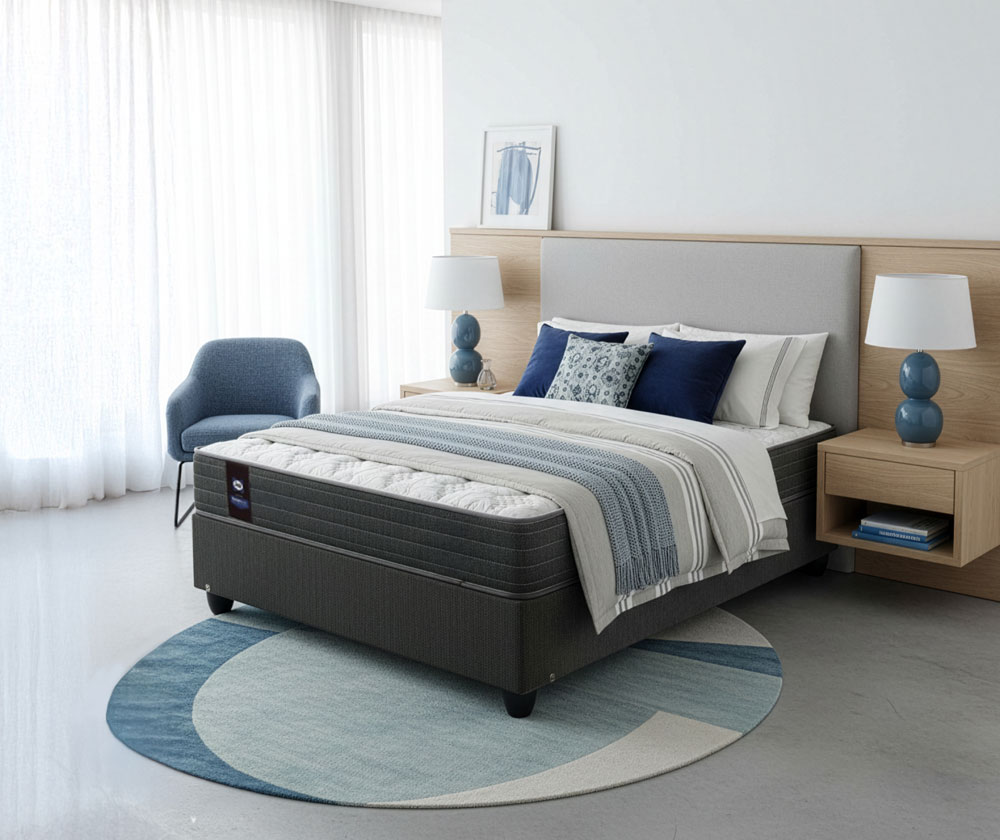
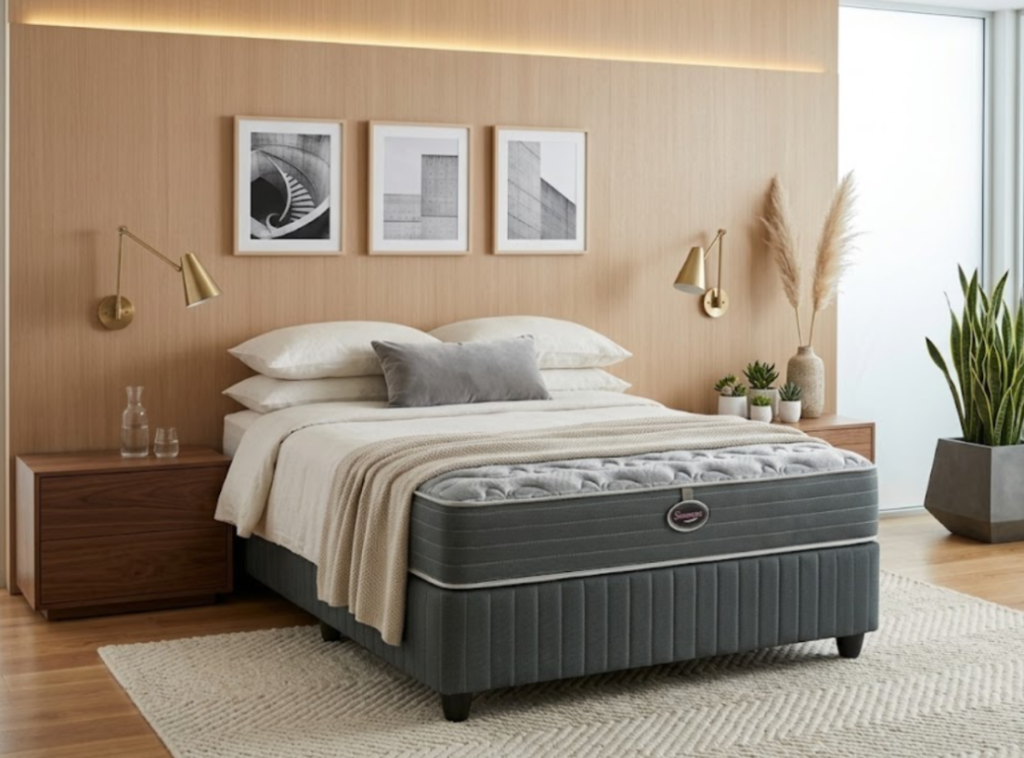
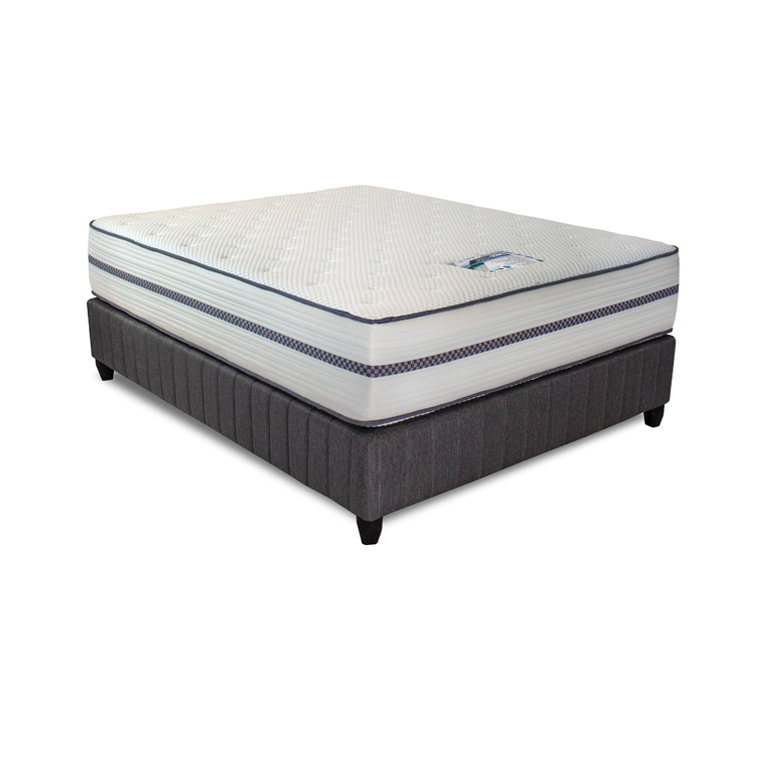
This guide breaks the process down into plain language. It covers local mattress sizes, the main mattress types sold in South Africa, how firmness and body weight interact, realistic budget ranges, and the practical questions South African shoppers ask most, from how long a mattress should last in our climate to whether buying online actually saves money. Whether you’re replacing a decade-old spring mattress or furnishing a bedroom for the first time, you’ll find what you need to make a confident, well-informed decision.
Why Your Mattress Choice Matters More Than You Think
The average adult spends roughly a third of their life asleep, and the mattress underneath them does more work than almost any other item in the home. A mattress that’s worn out, too soft, too firm, or simply the wrong size can misalign your spine, aggravate lower back and shoulder pain, disrupt deep sleep cycles, and, because dust mites and allergens accumulate in old bedding, even trigger allergies and skin irritation.
South Africa’s climate adds another layer to the decision. Coastal cities like Durban and Cape Town deal with humidity that can affect foam breathability, while inland regions like Johannesburg and Pretoria see hot days and cool nights that make temperature regulation in a mattress genuinely important. Getting the size, firmness, and material right isn’t a luxury, it’s a health and comfort decision that pays off every single night.
South African Mattress Sizes Explained
One of the first points of confusion for shoppers is that South African bed sizes don’t match UK, US, or European standards exactly. Local mattresses are measured in centimetres and follow their own naming conventions, and most standard sizes are also available in an “extra length” (XL) option for taller sleepers.
| Size | Standard Dimensions | Extra Length | Best For |
|---|---|---|---|
| Single | 91–92cm x 188cm | 91–92cm x 200cm | Kids’ rooms, guest rooms, solo sleepers |
| Three-quarter | 107cm x 188cm | 107cm x 200cm | Teenagers, small guest rooms |
| Double | 137cm x 188cm | 137cm x 200cm | Couples in smaller rooms, solo sleepers wanting extra space |
| Queen | 152cm x 188cm | 152cm x 200cm | The most popular choice for couples; good balance of space and room fit |
| King | 183cm x 188cm | 183cm x 200cm | Couples who want maximum space, or families/pets sharing the bed |
A useful way to visualise it: a king-size mattress is roughly the width of two single mattresses pushed together. Note too that South African mattresses generally top out at 200cm in length, so very tall sleepers (over 1.95m) should specifically look for XL options and check with the retailer before buying.
Practical tip: measure your bedroom door frames, staircases, and hallways before ordering a larger mattress, pocket-sprung and hybrid mattresses in particular can be difficult to manoeuvre into a room once delivered.
The Main Types of Mattresses Sold in South Africa
South African retailers generally sell four core mattress constructions, often combined into hybrids.
1. Bonnell Spring
The oldest and most affordable spring design, using hourglass-shaped coils linked together. It offers decent support at a low price point but transfers motion easily, meaning a restless partner is more likely to disturb your sleep. Good for guest rooms or tight budgets.
2. Pocket Spring
Each coil is individually wrapped in fabric, allowing springs to move independently. This gives better contouring, stronger motion isolation, and more consistent support across the mattress surface than Bonnell springs, which is why pocket spring mattresses generally sit in the mid-to-upper price bracket.
3. Continuous (Infinite) Coil
A single piece of wire is coiled to form rows of springs, giving even weight distribution and durability, often at a moderate price. It’s a solid middle-ground option between Bonnell and pocket spring systems.
4. Foam (High-Density, Memory Foam, and Latex)
Foam mattresses use no springs at all, relying on layers of high-density, memory, or latex foam for support and pressure relief.
- Memory foam moulds closely to the body and is excellent for pressure-point relief (hips, shoulders), though budget versions can retain heat.
- Latex is naturally breathable, resists dust mites, and stays cooler than standard memory foam — a genuine advantage for South Africa’s warmer nights.
- High-density foam is the most affordable foam option and works well as a lightweight, easy-to-turn mattress for guest rooms or children.
5. Hybrid Mattresses
Hybrids combine a spring base (usually pocket springs) with a foam comfort layer on top. They’re increasingly popular in South Africa because they blend the support and breathability of springs with the pressure relief of foam, though they typically cost more than single-material mattresses.
How to Choose the Right Firmness (Mattress Buying Guide in South Africa)
Firmness is one of the most misunderstood aspects of mattress buying, and it isn’t one-size-fits-all. The right firmness depends on your body weight, sleeping position, and any existing back or joint issues.
- Side sleepers generally need a softer-to-medium mattress that cushions the shoulders and hips while keeping the spine aligned.
- Back sleepers tend to do best on a medium-firm mattress that supports the natural curve of the lower back without letting the hips sink too far.
- Stomach sleepers usually need a firmer mattress to prevent the midsection from sinking and straining the lower back.
- Heavier individuals typically need firmer support (or a higher-density foam/thicker pocket spring system) to avoid excessive sinkage, while lighter sleepers can usually get adequate support from softer options.
- Couples with different preferences should consider a medium-firm mattress with strong motion isolation, or look at split-firmness options offered by some South African manufacturers.
If at all possible, test a mattress in-store for at least 10–15 minutes in your usual sleeping position before buying, a quick sit on the edge tells you almost nothing about how it will feel after a full night’s sleep. Many South African retailers now also offer sleep trial periods (commonly 30–100 nights), which are worth using if you’re unsure.
What Should You Budget For a Mattress in South Africa?
Mattress prices in South Africa vary widely, and understanding what you actually get at each price point helps you avoid both overpaying and under-investing in a mattress that won’t last.
- Under R5,000 (Budget): Basic foam or entry-level Bonnell spring mattresses. Reasonable for guest rooms, children’s beds, or short-term use, but not ideal as a primary mattress for years of nightly use.
- R5,000–R8,000 (Entry Mid-Range): Improved spring counts, better-quality foam layers, and enhanced comfort features. A sensible starting point for a primary bedroom mattress on a moderate budget.
- R7,000–R10,000+ (Mid-Range, Queen and up): This is a realistic starting budget for a good-quality queen-size mattress that balances comfort, durability, and materials that are less likely to off-gas or degrade quickly.
- R10,000–R20,000 (Premium): Pocket spring or hybrid constructions with higher-density foams, better edge support, and stronger warranties, generally the sweet spot for buyers who want long-term comfort and durability.
- R20,000+ (Luxury): High-end hybrids, premium latex, and specialised orthopaedic or cooling technologies, often with extended warranties and longer sleep trials.
Money-saving tip: buying factory-direct or online, rather than through a multi-layered retail chain, can meaningfully reduce cost, because each distributor and showroom step along the way typically adds its own markup. Many online-first South African mattress brands offer the same core materials as in-store alternatives at a lower price, since they cut out some of those middle steps. Mattress Buying Guide in South Africa.
Signs It’s Time to Replace Your Mattress
Most mattresses have a functional lifespan of around 8 to 10 years, though this varies by material and usage. Watch for these warning signs regardless of age:
- Visible sagging, dips, or lumps, especially in the middle or where you usually lie
- Waking up with new or worsening back, neck, or shoulder pain
- Noisy springs or a mattress that feels noticeably less supportive than it used to
- Increased allergy symptoms, which can indicate a build-up of dust mites and allergens
- Better sleep noticed away from home (a strong sign your own mattress is the problem)
Extending the Life of Your Mattress
A few simple habits can add real years to a mattress’s usable life:
- Rotate regularly. Unless the manufacturer specifically advises against it (common with some modern hybrid or foam designs), rotate the mattress head-to-foot every few months to promote even wear.
- Use a mattress protector. This guards against spills, sweat, and dust mites, and is often required to keep manufacturer warranties valid.
- Support it properly. An unsuitable or worn-out base or slats can cause a mattress to sag prematurely, even if the mattress itself is high quality.
- Air it out. In humid coastal areas particularly, letting a mattress breathe (strip bedding occasionally and allow airflow) helps prevent moisture build-up.
- Avoid jumping or excessive point-loading. Repeated stress on a small area breaks down internal springs and foam layers faster than even wear.
In-Store vs Online: Where Should You Buy?
Both routes are well established in South Africa, and each has trade-offs worth weighing:
- In-store lets you physically test mattresses before buying and get advice from sales staff, but typically comes at a higher price due to showroom, transport, and commission costs baked into the price.
- Online / factory-direct often costs less for comparable materials, since it removes several layers of markup, and most reputable brands now offer generous trial periods (30–100+ nights) with free returns if the mattress isn’t a fit, which offsets the inability to test it beforehand.
Whichever route you choose, always check the warranty length (South African mattress warranties commonly range from 5 to 15 years depending on quality), the trial or return policy, and whether delivery and old-mattress removal are included in the price.
Frequently Asked Questions
How often should I replace my mattress in South Africa? Most mattresses should be replaced every 8–10 years, though heavier use, lower-quality materials, or humid coastal conditions can shorten that lifespan.
What’s the best mattress type for hot South African nights? Latex and pocket-sprung hybrids tend to sleep cooler than dense memory foam, since they allow more airflow through the mattress structure.
Is a Queen or Double better for couples? A Queen is almost always worth the upgrade over a Double if your budget and room size allow it, since the extra 15cm of width makes a meaningful difference in comfort for two people sharing a bed.
Do I need a new base when I buy a new mattress? Not always, but an old, sagging, or mismatched base can significantly shorten a new mattress’s lifespan and void certain warranties, it’s worth having the base assessed at the same time.
Can I negotiate mattress prices in South Africa? Many South African retailers, especially independent and showroom-based stores, do have some flexibility on price or included extras (delivery, protectors, pillows), so it’s generally worth asking.
Choosing a mattress in South Africa comes down to matching three things: the right size for your room and body, the right firmness and material for your sleeping position and weight, and a budget that reflects realistic quality expectations rather than the lowest sticker price. Take the time to test before you buy wherever possible, check warranty and trial terms carefully, and remember that a mattress is one of the few household purchases that directly affects your health every single day. A well-chosen mattress, properly cared for, should comfortably serve you for close to a decade, making it one of the better long-term investments you can make in your home. Mattress Buying Guide in South Africa.