
Women’s Wardrobe Essentials in South Africa: The Complete Capsule Guide
South Africa is one of the few places in the world where you can pack for a Mediterranean winter, a subtropical summer, and a highveld thunderstorm, all in the same suitcase, and sometimes in the same week. Between the dry heat of Gauteng, the humid coastline of KwaZulu-Natal, and the wet winters of the Western Cape, building a wardrobe that actually works here means thinking beyond trends and focusing on versatility, fabric, and function. Continue to read more about Women’s Wardrobe Essentials in South Africa.
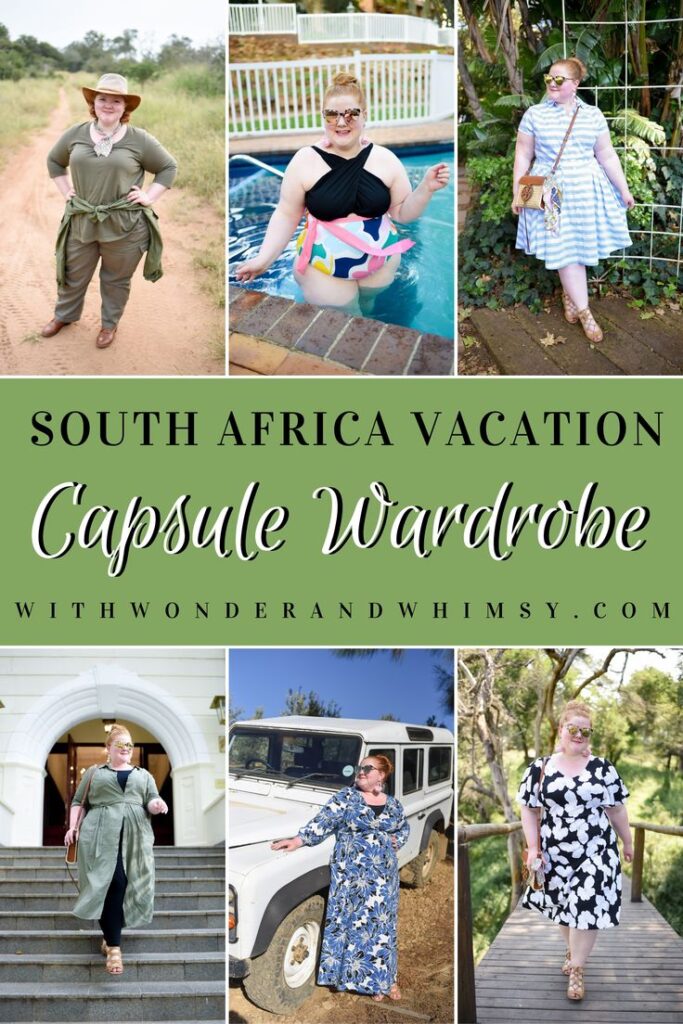
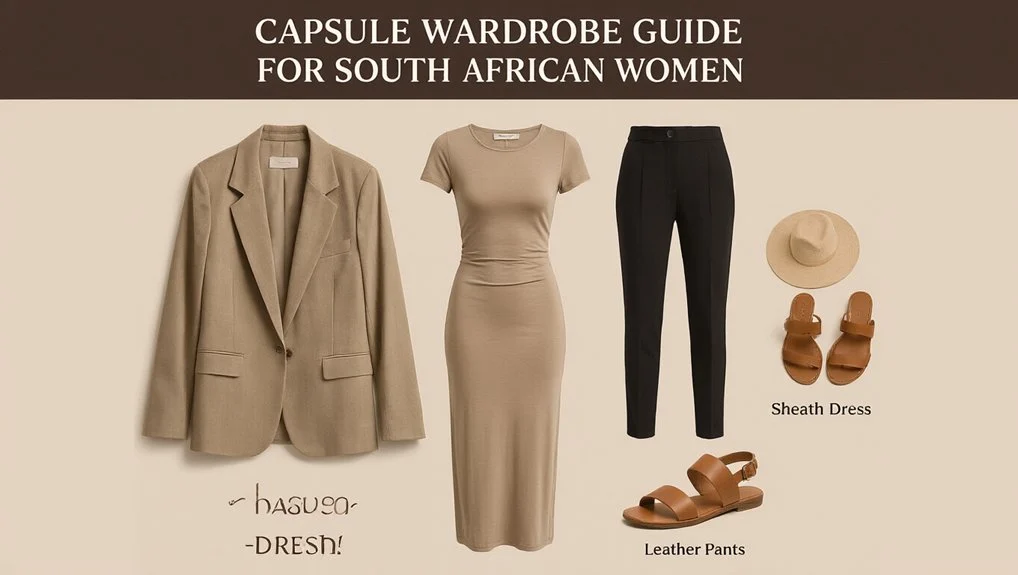
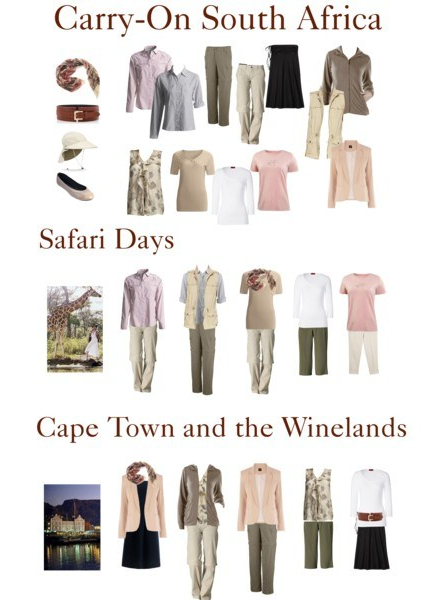
This guide breaks down the core wardrobe essentials every woman in South Africa should own, how to adapt them by season and region, and how to shop smarter so your closet keeps working for you year after year.
Why South Africans Needs a Different Approach to Dressing
Most wardrobe guides are written for a single climate. South Africa doesn’t have one. It has several, often within a few hours’ drive of each other:
- Gauteng (Johannesburg, Pretoria): Hot, dry summers with afternoon thunderstorms, and cold, dry winters with big swings between chilly mornings and warm afternoons.
- Western Cape (Cape Town, Winelands): A Mediterranean climate, dry, warm summers and wet, windy winters.
- KwaZulu-Natal (Durban, the coast): Humid and warm for most of the year, with milder winters.
- Interior and safari regions: Wide day-to-night temperature swings, dusty conditions, and strong sun exposure.
A wardrobe built for South Africa needs to move easily between all of these, which is why a capsule approach, a smaller collection of high-quality, mix-and-match pieces, tends to work better here than a closet full of single-occasion outfits.
The Foundation: Women’s Wardrobe Essentials in South Africa
These are the pieces worth investing in first. Choose well-made versions in neutral colours (black, navy, white, camel, or grey) so everything mixes and matches easily.
1. Well-Fitted Denim
A dark, well-cut pair of jeans works for the office (dressed up with a blazer), weekend errands, or a wine farm lunch in the Winelands. Look for a mid-to-high rise style that stays comfortable when temperatures rise.
2. A Structured Blazer
One good blazer instantly elevates a T-shirt and jeans, works over a dress for a meeting, and layers well on cool Highveld mornings. Choose a lightweight fabric so it doesn’t become too warm by midday.
3. Breathable Cotton and Linen Basics
Natural fibres are non-negotiable in a South African wardrobe. Cotton T-shirts and blouses breathe well through Johannesburg or Durban heat, while linen shirts and trousers are ideal for humid coastal days because they dry quickly and resist clinging.
4. A Knee-Length Shift or Wrap Dress
A single well-cut dress in a neutral tone can be dressed up with heels for dinner, worn with sandals for a summer day, or layered under a blazer for the office. It’s arguably the single most versatile item in a South African capsule wardrobe.
5. Lightweight Knitwear
A fine-knit jersey or cardigan handles the temperature drop between a warm afternoon and a cool evening — common across almost every region and season in the country.
6. A Quality Coat or Jacket
Winters in Cape Town are wet; winters in Johannesburg are dry and cold. Either way, one warm, well-made coat (waterproof for the Cape, wind-resistant for the Highveld) will outlast several cheaper alternatives.
7. Comfortable, Versatile Footwear
A pair of ankle boots and a pair of neutral flats or low block heels cover most occasions, from city sidewalks to game-drive terrain.
8. Leggings or Tailored Trousers
For layering under dresses in winter, travelling comfortably, or dressing casually on weekends, a good pair of leggings or tailored trousers pulls its weight across seasons.
Dressing by Season: A Region-Aware Approach
Summer (December–February)
Summer temperatures regularly climb above 30°C, and in areas like Paarl or parts of KwaZulu-Natal, well beyond that. Prioritise:
- Lightweight cotton or linen dresses and separates
- A wide-brimmed sun hat with UPF protection
- UV-blocking sunglasses and a high-SPF sunscreen
- Breathable, moisture-wicking fabrics for humid coastal areas
Autumn (March–May)
Cooler mornings and evenings call for easy layering:
- Long-sleeve tops under lightweight jackets
- Ankle boots for changeable weather
- A versatile scarf that can double as sun protection or an extra layer
Winter (June–August)
Winter looks different depending on where you are. Johannesburg winters are dry, sunny, and cold at the extremes of the day; Cape Town winters bring rain and wind. Either way, build around:
- A warm, well-insulated coat
- Knit dresses or jumpers paired with boots
- Thermal layers for early mornings and late evenings
- A waterproof jacket if you’re in the Western Cape
Spring (September–November)
As temperatures rise again, transitional pieces shine:
- Light jackets that can be removed by midday
- Breathable blouses in brighter, seasonal colours
- Comfortable walking shoes for outdoor activities
Dressing for the Office in South Africa
South African workplace style tends to favour polished but practical dressing. A well-cut blazer, a knee-length dress, and tailored trousers in navy or charcoal form a reliable foundation. Many professionals also incorporate traditional prints, such as shweshwe, into corporate wardrobes, paired with modern basics like a plain blazer or trousers to keep the overall look workplace-appropriate. It’s a distinctly South African way of blending heritage with contemporary style, and increasingly embraced by local designers creating workplace-friendly pieces that merge cultural elements with tailored, modern cuts.
Packing for Safari or Travel Within South Africa
If your wardrobe needs to extend to a safari or countryside trip, the rules shift slightly:
- Stick to neutral, muted colours (khaki, olive, stone) rather than bright prints, which can startle wildlife or attract insects
- Choose lightweight, long-sleeved layers for sun and insect protection
- Bring a scarf or buff for dusty conditions
- Pack layers for the wide temperature swing between chilly early mornings and warm afternoons
Building Your Capsule Wardrobe: A Practical Approach
- Start small. Choose five true essentials before expanding, a blazer, jeans, a versatile dress, breathable basics, and one warm layer.
- Check quality before buying. Examine seams, fabric weight, and stitching. A well-made piece in a natural fibre will outlast several fast-fashion equivalents and handle South Africa’s climate demands better.
- Buy for your region first, then your travels. Someone based in Durban will prioritise humidity-friendly fabrics, while a Johannesburg wardrobe needs to handle bigger daily temperature swings.
- Let trends be accents, not foundations. South African fashion weeks in Cape Town and Johannesburg are a great source of inspiration, but classic, well-made basics should form the bulk of your wardrobe, with of-the-moment pieces added in smaller doses.
- Think in outfits, not items. A well-planned capsule of eight to ten pieces can typically be mixed into fifteen to twenty different outfits, far more efficient than a large wardrobe of one-off pieces.
Frequently Asked Questions
What fabrics work best for South Africa’s climate? Cotton and linen are the most reliable year-round choices. Cotton breathes well in dry heat, while linen is particularly suited to humid coastal regions because it dries quickly. Wool or wool-blend knitwear is worth adding for winter layering, especially in colder inland regions.
How many pieces does a good capsule wardrobe need? There’s no fixed number, but starting with around eight core pieces, a blazer, jeans, a dress, breathable tops, knitwear, a coat, and two pairs of shoes, gives you a flexible base that can expand as needed.
Is it appropriate to wear traditional prints like shweshwe to work? Yes. Many South African professionals incorporate traditional prints into office wear, typically pairing a patterned piece with plain, tailored basics to keep the overall look polished and workplace-appropriate.
What should I pack differently for a safari versus a city trip? Safari packing favours neutral, muted colours and lightweight long sleeves for sun and insect protection, while city wardrobes can lean into brighter colours and more varied silhouettes.
A South African wardrobe isn’t built around a single season or a single trend, it’s built around versatility. Investing in a handful of well-made, breathable, layerable pieces will serve you better across Cape Town’s wet winters, Johannesburg’s dry cold snaps, and Durban’s year-round humidity than chasing a new wardrobe every season. Get the foundations right once, and the rest of your styling becomes far easier, no matter where in the country, or which season, you find yourself.