
Budget Fashion Shopping Guide in South Africa: How to Dress Well Without Overspending
Looking stylish in South Africa doesn’t have to drain your bank account. From Cape Town’s thrift-store-lined side streets to Johannesburg’s sprawling dunusa markets and the ever-reliable racks at Mr Price and Pep, South Africa offers one of the richest budget fashion ecosystems on the continent. This guide breaks down exactly where to shop, how to shop smarter, and how to build a wardrobe that looks far more expensive than it actually cost, whether you’re a student in Gauteng, a young professional in Durban, or a family shopping on a tight monthly budget. Continue reading to see more about Budget Fashion Shopping Guide in South Africa.
This guide draws on current South African retail and thrifting trends, and is reviewed and updated periodically to stay accurate as stores, markets, and shopping habits evolve.
Why Budget Shopping Is a Smart Strategy, Not a Compromise
With the cost of living in South Africa remaining a real concern for most households, clothing spend is one of the easiest budget lines to control without sacrificing style. The good news: South Africa has a mature, well-established affordable fashion scene, built on three pillars
- Homegrown budget retail chains with national footprints and frequent sales
- A deeply rooted thrifting and second-hand culture, from formal charity shops to informal street markets
- Growing online resale and discount platforms that make bargain-hunting possible from your phone
Treat budget shopping as a skill rather than a sacrifice. The shoppers who get the most out of their money aren’t necessarily spending less, they’re spending smarter.
Affordable Retail Chains Worth Knowing
South Africa’s affordable fashion retail sector is one of the most competitive in Africa, and a handful of chains consistently deliver good value:
- Mr Price: A long-standing favourite for basics, casualwear, and trend-driven pieces at accessible prices. Its clothing quality is frequently praised for linens, tees, and everyday staples.
- Pep and Ackermans: Known for rock-bottom pricing on essentials, schoolwear, and family clothing, making them a go-to for budget-conscious households.
- Jet and Legit: Reliable mid-range affordable options with regular clearance sales and seasonal markdowns.
- Woolworths (sale racks and outlet stores): While positioned as a premium retailer, Woolworths’ end-of-season sales and factory/outlet stores offer better-quality basics at reduced prices.
- Bash: An online marketplace aggregating multiple South African retailers, useful for comparing prices and catching discounts across brands in one place.
Tip: Store loyalty programmes (such as retailer-specific rewards apps) frequently unlock members-only discounts, birthday vouchers, and early access to sales, sign up even if you shop only occasionally.
Thrifting and Second-Hand Shopping: South Africa’s Best-Kept Budget Secret
Second-hand and vintage shopping isn’t a niche trend in South Africa, it’s a well-established, thriving part of the fashion landscape, prized for both affordability and sustainability.
Johannesburg
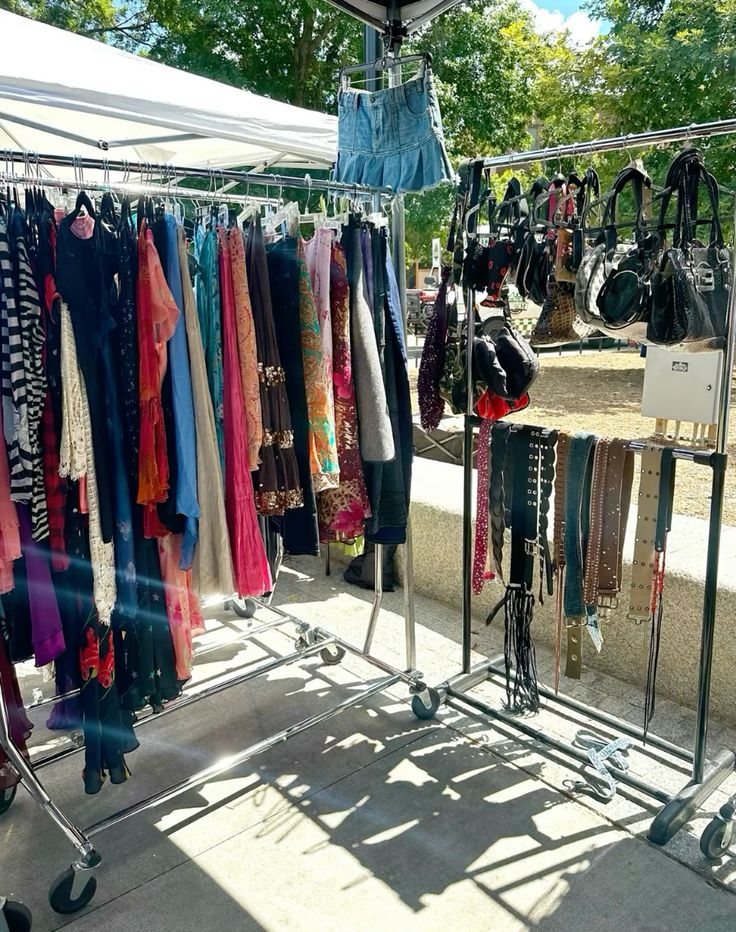
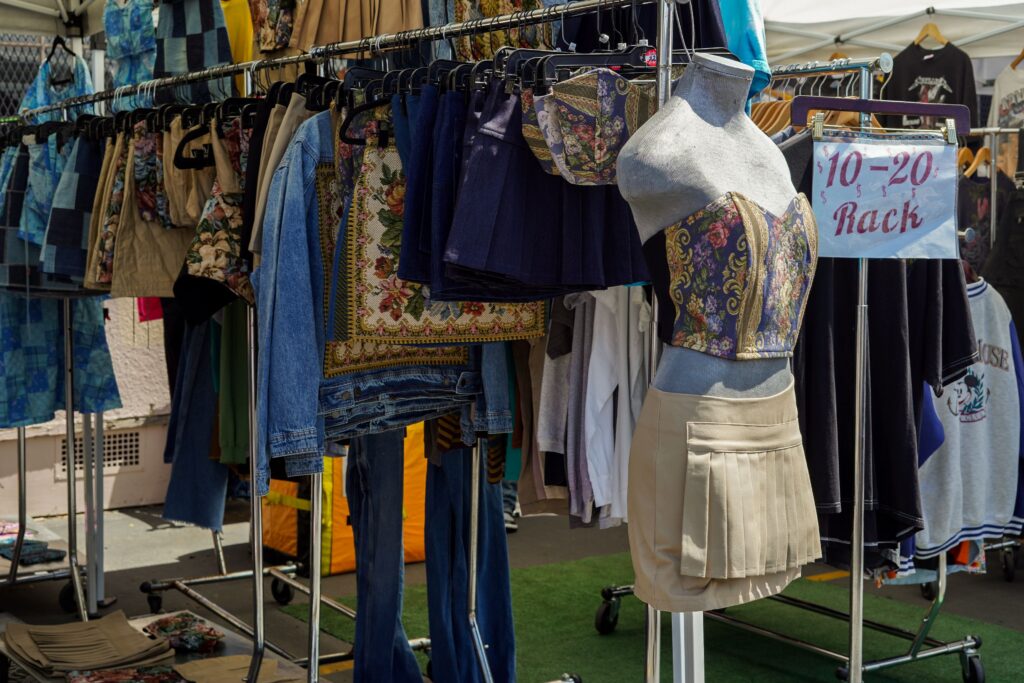
- Dunusa markets in the inner city (near Park Station) are sprawling informal second-hand clothing markets where traders sell clothing sourced from across Africa. Expect a lively, bargain-friendly atmosphere and genuinely low prices, just be ready to dig.
- 27 Boxes and Rags & Lace on Jan Smuts Avenue offer a more curated thrifting experience.
- Randjesfontein Market in Midrand (first Sunday of the month) is one of the city’s biggest flea markets, with vintage clothing alongside crafts and collectibles.
- Rosebank Sunday Market combines second-hand fashion with African crafts and street food.
- Salvation Army stores are ideal for ultra-low-cost essentials, often well under R50 an item.
Cape Town
- Greenmarket Square Flea Market in the CBD is a long-running institution for second-hand and vintage finds, with haggling generally welcomed.
- Observatory (“Obs”) is Cape Town’s thrifting hub, home to stores like Nevernew, Bangbang Vintage Market, and Grand Funk Retro Vintage.
- Charity-run stores such as Oasis Charity Shop and Coats for Africa combine affordable clothing with a good cause, and are especially useful for stocking up on winter jackets.
- Long Street Antique Arcade houses vintage boutiques like Glitterati for shoppers after decades-specific pieces.
General thrifting tips
- Visit regularly, stock turns over fast, and the best pieces disappear quickly.
- Inspect seams, zips, and fabric quality before buying; second-hand doesn’t mean you skip quality control.
- Bring cash for informal markets, and don’t be afraid to negotiate respectfully.
- Wash or dry-clean everything before wearing.
Budget Shopping Online
Online fashion shopping in South Africa has matured significantly, and it’s no longer just about convenience, it’s often where the best deals live.
- Retailer apps and websites (Mr Price, Woolworths, Ackermans, Pep) frequently run online-exclusive discounts and clearance sections not always mirrored in-store.
- Superbalist and Bash aggregate multiple brands, making price comparison easy.
- Yaga and Instagram-based thrift shops have turned second-hand shopping into a scroll-and-buy experience, with sellers across Johannesburg, Cape Town, and Durban posting curated vintage and pre-loved pieces.
- Facebook Marketplace and local buy-and-sell groups remain underrated for finding barely-worn clothing at a fraction of retail price, especially for children’s clothing and formalwear.
Smart move: Before buying anything online, search the item name plus “discount code”, many South African retailers run recurring promo codes for newsletter subscribers or first-time app users.
Money-Saving Strategies Every Budget Shopper Should Know
- Shop end-of-season sales. The biggest markdowns happen when a season is ending, not starting, buy winter coats in late winter for next year, and summer pieces in early autumn.
- Build a capsule wardrobe. Focus on a small, versatile set of neutral pieces (a good knit, well-fitting denim, a neutral jacket) that mix and match, rather than buying trend pieces that date quickly.
- Cost-per-wear beats sticker price. A slightly pricier item you’ll wear 100 times is better value than a cheap item worn twice.
- Set a “one in, one out” rule. This naturally slows down impulse buying and keeps your wardrobe intentional.
- Follow retailers on social media rather than relying only on email, flash sales are often announced there first.
- Alter and repair instead of replacing. A local tailor or seamstress can often extend a garment’s life for a fraction of the cost of a replacement.
- Buy versatile neutrals, add personality with accessories. Scarves, jewellery, and bags are the cheapest way to refresh an outfit without buying new clothing.
Building a Budget-Friendly, Season-Proof Wardrobe
Whatever the season or trend cycle, a few fundamentals hold true for South African budget dressers:
- Neutral tones (sand, stone, camel, navy) mix easily and rarely look dated.
- Layering pieces matter more here than heavy winter coats, given South Africa’s mild-but-variable climate across regions.
- Locally inspired prints and heritage-influenced pieces (Shweshwe, Ndebele-inspired patterns) add character without needing a full wardrobe overhaul, a single scarf, shirt, or wrap can do the job.
- Good denim and a versatile knit are consistently the best-value investment pieces across climates and years.
Sustainable Budget Fashion: A Bonus, Not a Trade-Off
Choosing thrifted, second-hand, or locally made pieces isn’t only about saving money, it also reduces textile waste and supports small businesses and charitable causes across the country. Many of South Africa’s thrift and charity shops directly fund community projects, meaning your bargain hunt can double as a small act of social good.
Frequently Asked Questions
Is thrifting safe and hygienic in South Africa? Yes, as long as you wash or dry-clean items before wearing them and inspect garments for damage before buying, standard practice for second-hand shopping anywhere.
What’s the cheapest way to shop for clothes in South Africa? Informal markets (like Johannesburg’s dunusa markets or Cape Town’s Greenmarket Square) and charity shops typically offer the lowest prices, followed by budget retail chains during clearance sales.
Are online second-hand platforms trustworthy? Established platforms and well-reviewed Instagram or Yaga sellers are generally reliable. Check seller reviews, ask for extra photos before paying, and use secure payment methods where possible.
How can I shop on a budget without looking like I did? Focus on fit and fabric quality over labels, invest a little more in a few versatile basics, and use accessories to elevate simpler outfits.
Budget fashion shopping in South Africa isn’t about limiting your style, it’s about knowing where to look. Between affordable national retailers, a genuinely rich thrifting culture, and increasingly convenient online platforms, South African shoppers have more affordable, stylish options today than ever before. Start with a plan, know your go-to spots, and let cost-per-wear, not price tags, guide your decisions.