
Affordable Home Makeovers in South Africa: A Practical Guide to Refreshing Your Home Without Breaking the Bank
Giving your home a fresh new look doesn’t have to mean a construction crew, months of dust, and a bank loan. Across South Africa, homeowners and renters are discovering that small, smart changes, a new coat of paint, restyled furniture, better lighting, can transform a tired space into somewhere you actually love coming home to. This guide brings together practical, budget-friendly ideas that work whether you’re in a Sandton apartment, a Durban townhouse, or a family home in the Cape Winelands. Continue to read more about Affordable Home Makeovers in South Africa.
Whether you’re planning a single-room refresh or a whole-house refresh over time, the principles below will help you get maximum visual impact for minimum spend, and avoid the costly mistakes that often derail DIY projects.
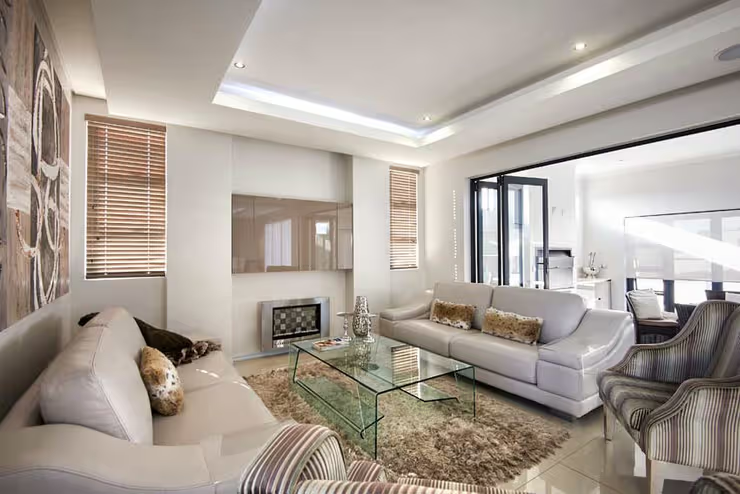
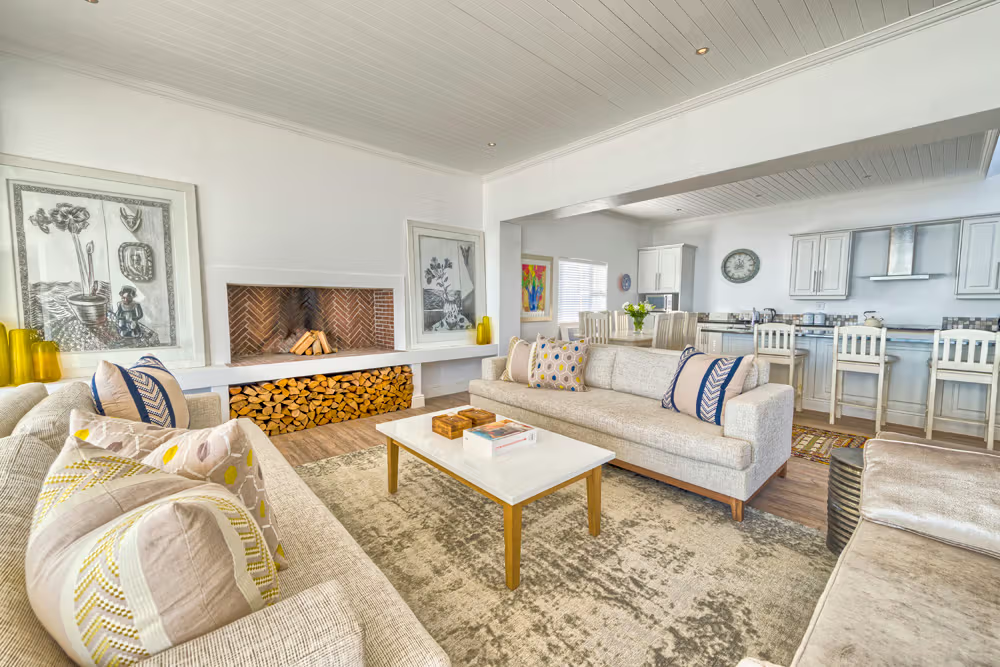
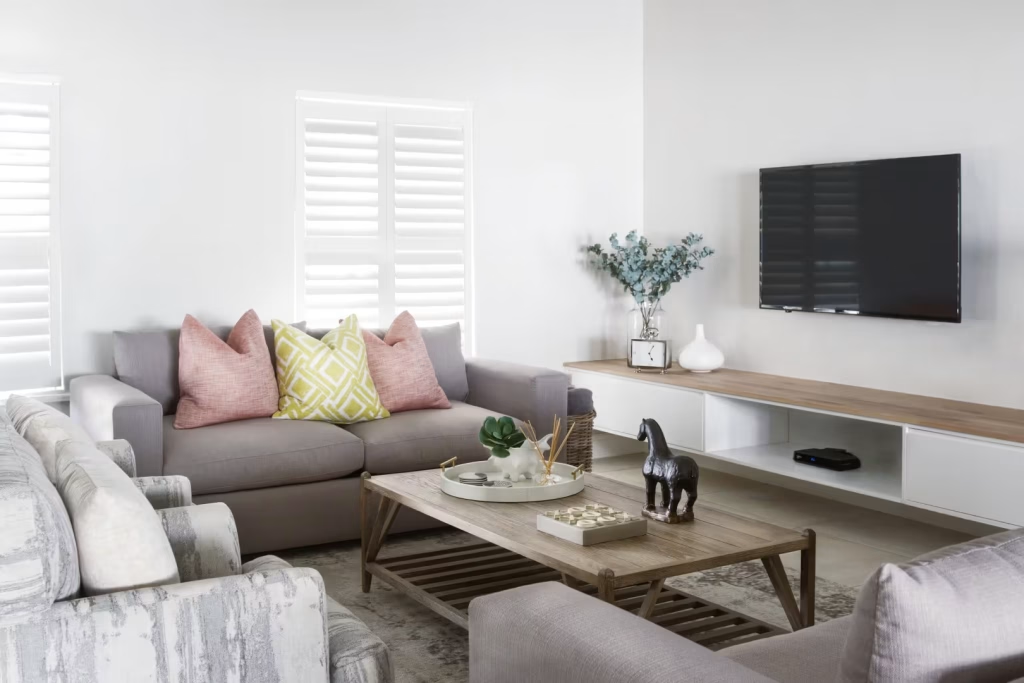
Show Image A budget-friendly living room refresh: fresh paint, layered textiles, and repositioned furniture create a completely new feel without structural changes.
Why Budget Makeovers Make Sense in South Africa
According to industry estimates from South African renovation professionals, even a basic renovation involving repainting, new flooring, and updated fixtures can cost tens of thousands of rand for a small home, and considerably more for larger properties. Mid-range projects like kitchen or bathroom remodels climb higher still. For many households, that price tag simply isn’t realistic right now, which is exactly why a “makeover” approach, rather than a full renovation, has become so popular.
A makeover focuses on cosmetic, high-impact changes rather than structural work. You’re not moving walls or replumbing bathrooms; you’re refreshing surfaces, textures, and layout to make a space feel new. Done well, this approach can deliver 80% of the visual transformation for a fraction of the cost, and it’s a strategy endorsed by property professionals too. Industry voices, including regional leadership at RE/MAX Southern Africa, have pointed out that smart, budget-conscious upgrades can be among the most profitable ways to boost a home’s resale value, provided the work is planned and executed correctly.
Start With a Plan, Not a Paintbrush
The biggest budget-killer in any home makeover is starting without a clear plan. Before buying a single tin of paint:
- Set a firm, itemised budget, and add a 10–15% buffer for surprises.
- Prioritise repairs first. Leaky windows, damaged gutters, or a compromised roof should be fixed before cosmetic work, since ignoring them can cause further damage and erase your savings later.
- Decide what stays and what goes. Walk through each room and separate items into “keep,” “revive,” and “replace” piles.
- Research any rules that apply to you. If you’re renting, check your lease. If you’re an owner in a complex or estate, check body corporate or HOA rules before painting exteriors or making visible changes.
This upfront planning stage costs nothing but time, yet it’s the single biggest predictor of whether a budget makeover stays on budget.
1. Paint: The Highest-Impact, Lowest-Cost Upgrade
Paint remains the single most cost-effective way to transform a room in South Africa. A fresh, well-chosen colour can brighten a dark room, make a small space feel larger, and instantly modernise dated decor.
Budget-friendly paint tips:
- Stick to light, neutral tones (soft whites, warm greys, sandy beiges) for main living areas, they’re timeless, appeal to future buyers, and reflect more light.
- Use a bold accent wall in a bedroom or nook rather than painting an entire home in a strong colour; it delivers drama for the cost of a single tin.
- Buy quality paint even if it costs a little more, one solid coat beats three coats of a bargain brand.
- Don’t forget skirting boards, door frames, and ceilings; crisp trim work makes the whole room look freshly finished.
2. Revive, Don’t Replace, Your Furniture
Before you shop for new furniture, look at what you already own with fresh eyes. Many South African households have solid wooden furniture that just needs attention rather than replacement.
- Sand and re-stain dated wooden tables, chairs, or cabinets to bring back their natural warmth.
- Swap the hardware. New handles, knobs, or hinges on cupboards and drawers can modernise a piece for a fraction of replacement cost.
- Reupholster or slipcover tired chairs and couches instead of buying new ones.
- Shop second-hand. Online marketplaces and local classifieds are full of quality, pre-loved furniture that can be transformed with minor repairs or a lick of paint.
- Consider flat-pack and multifunctional pieces when you do need something new, a storage ottoman, sofa bed, or extendable table works harder for your rand than a single-purpose item.
3. Rearrange Before You Renovate
One of the most underrated, completely free makeover techniques is simply rearranging what you have. Moving a couch to face a different direction, floating furniture away from walls, or swapping items between rooms can make a space feel entirely reorganised and intentional. Combine this with a proper declutter, clearing out items you no longer use, and most rooms instantly feel bigger, calmer, and more considered.
4. Lighting: The Detail That Changes Everything
Lighting has an outsized effect on how a home feels, and it’s an area where small investments pay off. Consider:
- Layered lighting, combine ceiling lights with floor lamps, table lamps, or LED strip lighting for warmth and depth.
- Swap bulbs for warmer-toned, energy-efficient LEDs to instantly change a room’s atmosphere.
- Add statement pieces, like an affordable pendant light over a dining table, to create a focal point without rewiring your home.
- Maximise natural light by cleaning windows, using sheer curtains, and positioning mirrors to bounce daylight around a room.
5. Soft Furnishings and Personal Touches
Textiles are an inexpensive way to layer colour, texture, and comfort into a home:
- New cushion covers, throws, and rugs can transform a lounge or bedroom in an afternoon.
- Fresh bedding instantly refreshes a bedroom’s entire mood.
- Curtains or blinds in updated fabrics or colours can modernise a room without touching the walls.
For walls, you don’t need expensive artwork. Frame prints, create your own DIY pieces, group family photos into a gallery wall, or commission large-format prints online, all deliver personality at a fraction of gallery prices.
6. Kitchens and Bathrooms Without a Full Renovation
Full kitchen and bathroom remodels are among the most expensive line items in any renovation budget. If a complete overhaul isn’t realistic, focus on these cosmetic wins instead:
- Repaint or reface cabinet doors rather than replacing the entire unit.
- Replace cabinet handles and taps for an instant style update.
- Regrout and deep-clean tiles before assuming they need replacing.
- Add a stylish splashback panel or peel-and-stick tiles for a quick facelift.
- Update the mirror, light fixtures, and towel rails in a bathroom for a hotel-style refresh.
7. Greenery and Outdoor Spaces
Plants, real or high-quality artificial, are one of the cheapest ways to add life and warmth to any room. Outdoors, a tidy garden, a fresh coat of paint on a fence or front door, and updated house numbers or a welcome mat can dramatically improve your home’s first impression at minimal cost.
Common Budget Makeover Mistakes to Avoid
- Skipping the plan and buying materials impulsively, leading to mismatched finishes and wasted money.
- Ignoring structural issues in favour of cosmetic fixes, which can cost far more to repair later.
- Underestimating small costs like brushes, sandpaper, and fixings, which add up quickly.
- Over-customising in ways that may not suit future buyers, if resale value matters to you.
- Rushing furniture placement before finishing wall and floor work, which often means redoing steps unnecessarily.
Frequently Asked Questions
How much does a basic home makeover cost in South Africa? Costs vary widely by scope and region, but a cosmetic makeover, paint, small fixture updates, and styling, can often be done for a small fraction of what a full renovation costs, since you’re avoiding structural and labour-intensive work.
What’s the single best budget upgrade for resale value? A fresh, neutral coat of paint throughout the home is consistently recommended by property professionals as one of the highest-return, lowest-cost upgrades available.
Can I do a home makeover myself, or do I need professionals? Many of the ideas above, painting, styling, furniture revamps, decluttering, are realistic DIY projects. Bring in professionals for anything involving electrics, plumbing, structural changes, or roofing.
How do I make a small home feel bigger on a budget? Light, neutral colours, well-placed mirrors, decluttering, and multifunctional furniture are the most effective low-cost ways to visually expand a small space.
An affordable home makeover in South Africa comes down to strategy, not spending power. By planning carefully, prioritising repairs, and focusing your budget on high-impact cosmetic changes — paint, furniture revival, lighting, and styling, you can transform how your home looks and feels without the cost, disruption, or stress of a full renovation. Start with one room, apply these principles, and let the results guide your next project.