Generic vs Branded Products in South Africa: The Complete Consumer Guide
Walk down any aisle at Shoprite, Checkers, Pick n Pay, or a local pharmacy, and you’ll face the same decision millions of South Africans make every week: pay more for the familiar brand, or save money on the store’s own label or a generic equivalent? With food inflation continuing to squeeze household budgets and load-shedding-era costs still lingering in the economy, this question has never mattered more. Continue to read more about Generic vs Branded Products in South Africa.
This guide breaks down exactly what separates generic and branded products in South Africa, from groceries to medicines, so you can make confident, informed choices at the till.
What’s the Real Difference Between Generic and Branded Products?
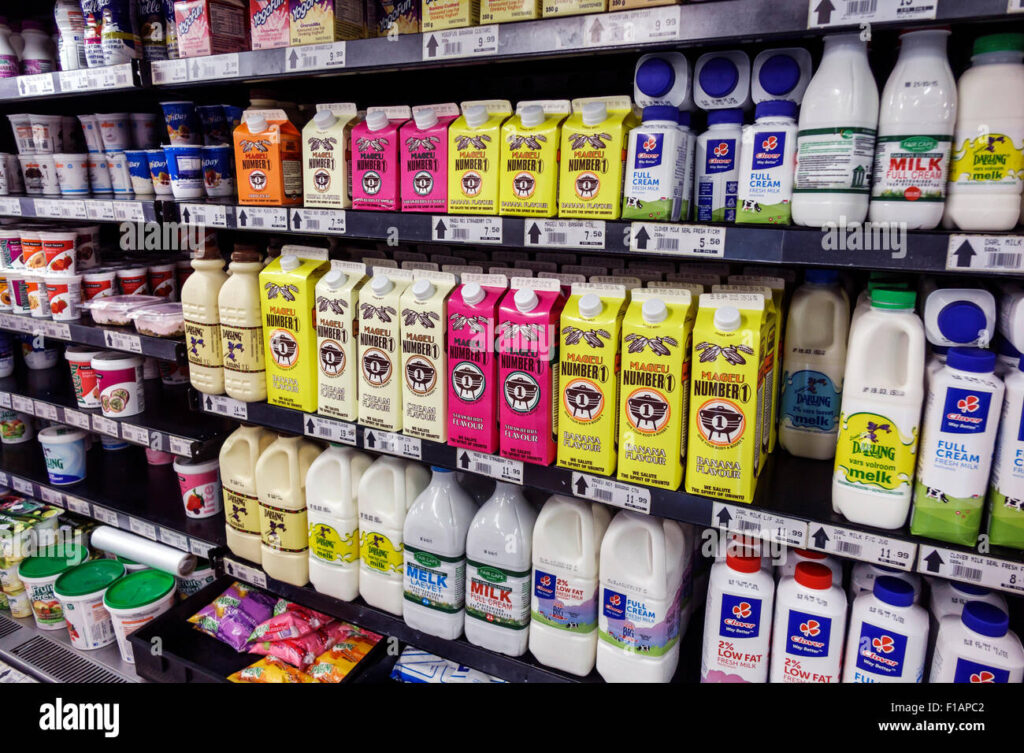
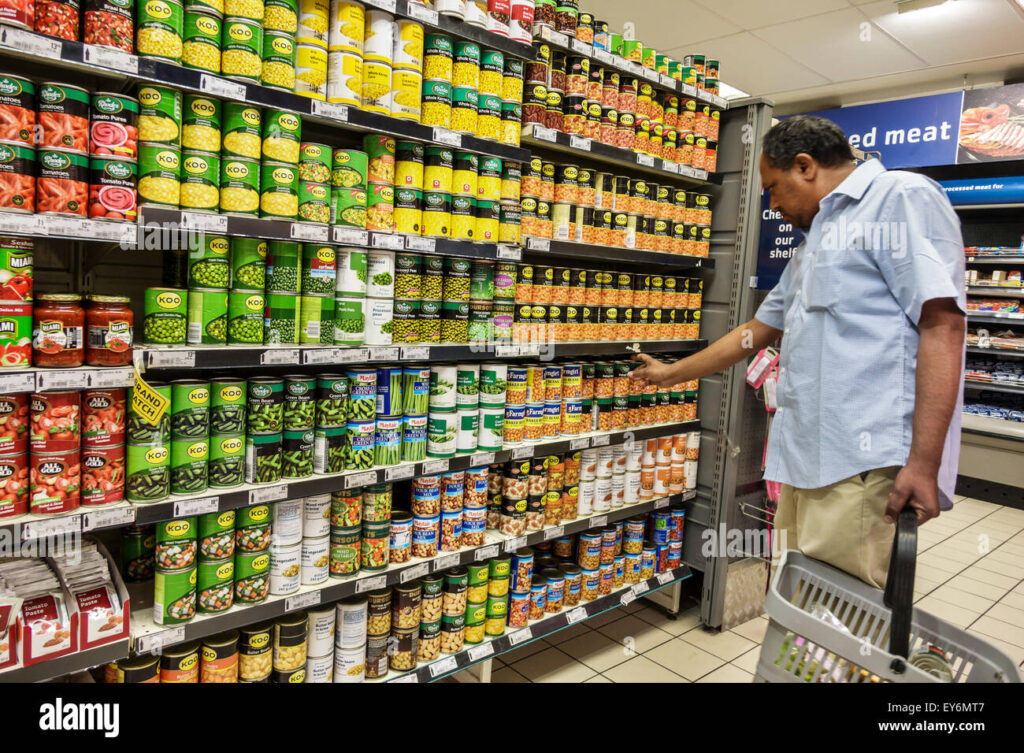
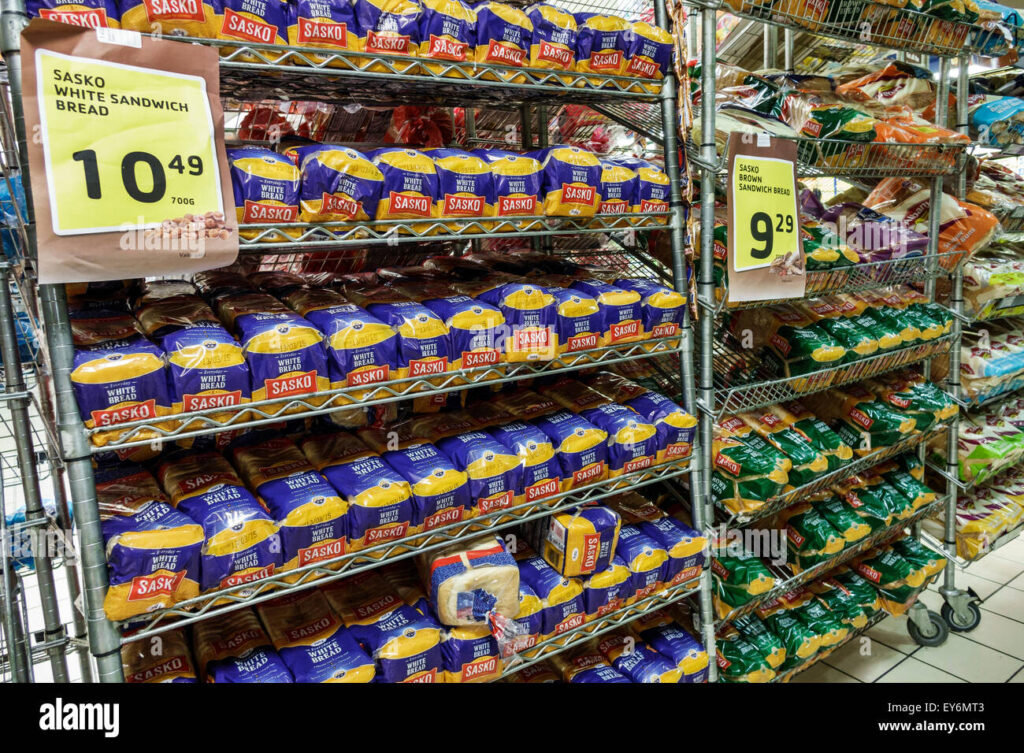
Branded products (also called “national brands”) are made and marketed by a specific manufacturer that invests heavily in advertising, packaging design, and brand reputation. Think Koo, Jungle Oats, Panado, or Omo.
Generic products are typically unbranded or store-branded (“private label”) items sold under a retailer’s own name — such as Pick n Pay’s No Name, Shoprite’s Ritebrand, Checkers’ Housebrand, or Spar’s own range. In the pharmaceutical world, a generic medicine is a copy of a brand-name drug that uses the same active ingredient, sold once the original patent has expired.
In both categories, the core idea is the same: you’re paying less because you’re not funding a marketing budget, premium packaging, or brand-loyalty premium, not because the underlying product is inherently worse.
Groceries and Household Goods: Who Actually Makes Your “No Name” Products?
A common misconception is that generic or house-brand goods come from second-rate, unknown factories. In reality, South African retailers generally don’t own their own manufacturing plants. Instead, they contract the very same established manufacturers that produce the big-name brands, working to the retailer’s own specifications and cost targets. These retailers don’t own massive factories producing everything from milk to mayonnaise, instead, they contract established, well-known manufacturers, the very same ones that produce the famous brands, to create products to their exact specifications.
So why the price gap if it’s often the same production line? A few practical reasons:
- No big-budget advertising. A name-brand product carries a multi-million-rand marketing budget behind it, while house brands carry none of that cost.
- Simpler packaging. Basic, no-frills packaging design cuts production costs significantly compared with elaborately branded packaging.
- Guaranteed shelf space. House brands get prime shelf placement for free, while national brands typically pay retailers a premium for the same positioning.
Medicines: Generic Drugs Are Legally Required to Match the Original
Pharmaceuticals are the clearest example of “different price, same performance” in South Africa, because the industry is tightly regulated. A generic medicine is legally required to contain the identical active ingredient, strength, and dosage form as the original branded drug it copies, with equivalent quality and effect. Only the inactive components, colouring, flavouring, binding agents, and packaging, are allowed to differ.
South Africa’s medicines regulator (now the South African Health Products Regulatory Authority, SAHPRA, previously the Medicines Control Council) enforces strict registration and manufacturing standards before any generic can reach a pharmacy shelf. Regulations require that generic drugs have the same high quality, strength, purity, and stability as brand-name drugs, along with post-registration testing to confirm stability, safety, and efficacy over the product’s full shelf life. Manufacturing and packaging facilities are also inspected for compliance with international good manufacturing practice standards.
Independent laboratory testing backs this up. A South African study comparing innovator, branded-generic, and unbranded-generic versions of common medicines, paracetamol, amoxicillin, and hydrochlorothiazide, found no major differences in quality between products from the state and private sectors, or between innovator brands and generics, with all formulations passing the required dissolution, uniformity, and identity tests used by the British and US Pharmacopeias.
How Much Can You Actually Save?
The savings on generic and store-brand products in South Africa are substantial and well documented:
- Groceries: Price-comparison research across the major chains has repeatedly shown that switching to store brands is one of the single biggest levers for cutting a grocery bill, alongside choosing the cheapest retailer for that basket. Shoppers comfortable switching to house brands typically get the lowest total spend, with Shoprite tending to deliver the lowest overall basket cost, Checkers offering competitive premium and health-oriented private-label options, and Pick n Pay rewarding shoppers who combine store brands with its Smart Shopper coupons.
- Medicines: The price differential between original branded medicines and generics can run as high as 80%, with generics on average around 56% cheaper than their branded originals. Health insurer claims data supports this at scale: nearly two-thirds of generics analysed were at least 40% cheaper than their branded counterparts, and 48% were 50% cheaper or more.
- Usage patterns: Cost is clearly the deciding factor for most people. Research commissioned within a major retail pharmacy group found that consumers are three times more likely to choose a generic medicine over a branded one, based on price alone.
Are Generic Products Actually Worse in Quality?
This is the question that keeps many shoppers loyal to big brands, and the honest, evidence-based answer is: usually not, but it depends on the category.
Where quality is essentially guaranteed to be equal
- Regulated medicines. By law, a generic drug must match the active ingredient and therapeutic effect of the original. The World Health Organisation has stated that generics are 100% interchangeable with the original branded product, since they are bio-equivalent, and in South Africa registration is only granted after the regulator’s scientific review.
- Staple foods and household basics made on the same production lines as national brands (sugar, flour, rice, cleaning basics) tend to be functionally identical, differing mainly in packaging and minor formulation tweaks.
Where differences are more likely
- Complex or highly formulated products, skincare, cosmetics, and specialty foods, can vary more between brands because formulation, sourcing, and processing techniques genuinely differ.
- Perception versus reality. South African research into consumer attitudes has found that many shoppers still conflate cheaper generics with counterfeit or substandard products, even where laboratory testing shows no meaningful difference. Lower-income and less-educated consumers, in particular, have historically held poorer attitudes toward generics, while those with tertiary education tend to view them more favourably, a perception gap rather than a quality gap.
A word of caution: “pseudo-generics”
Not every discounted alternative is a true generic. In the pharmaceutical sector, originator companies sometimes launch their own cut-price version of their drug, known as a pseudo-generic or authorised generic, often before the patent even expires, specifically to compete with incoming true generics. A pseudo-generic is identical to the branded originator medicine but sold at a discounted price, without the originator brand actually reducing its main product’s price. These aren’t a quality concern (they’re literally the same product), but they illustrate how brand strategy, not just manufacturing, shapes what you see on the shelf.
Generic vs Branded: A Side-by-Side Comparison
| Factor | Branded Products | Generic / Store-Brand Products |
|---|---|---|
| Price | Higher — includes marketing and premium shelf-space costs | Lower, often 30–80% cheaper depending on category |
| Manufacturer | Company-owned or contracted factories | Often the same contracted manufacturers as big brands |
| Regulation (medicines) | Registered and monitored by SAHPRA | Must meet identical SAHPRA safety and efficacy standards |
| Packaging | Elaborate, marketing-driven design | Simple, functional packaging |
| Availability | Sold across multiple retailers | Usually exclusive to one retailer’s stores |
| Best suited for | Brand-sensitive categories (perfume, some cosmetics) | Staples, medicines, cleaning products, pantry basics |
Practical Tips: When to Choose Generic and When to Stick with Brands
- Default to generic/store brand for staples. Rice, sugar, flour, bicarbonate of soda, basic dairy, and cleaning products are near-identical across brands, this is where the savings are effectively “free.”
- Ask your pharmacist about generic substitution. South African law (since 2001) allows pharmacists to substitute a prescribed branded medicine with a registered generic, provided you consent. It’s worth asking every time, since the savings can be dramatic with zero change in therapeutic effect.
- Read the ingredients label, not just the front of the pack, especially for skincare, baby products, and specialty foods where formulations can genuinely differ.
- Compare unit prices, not pack prices. Retailers often size store-brand packs differently from national brands, so check the price-per-100g or price-per-litre shown on the shelf label.
- Reserve brand loyalty for where it earns its premium, categories where you’ve personally noticed a real performance difference, or where a brand’s after-sales support and guarantees matter to you.
- Watch for pseudo-generics in pharmacy. If a “generic” is priced only slightly below the original, ask your pharmacist whether a genuinely independent generic is available at a bigger discount.
Frequently Asked Questions
Is it safe to use generic medicine instead of the branded version in South Africa? Yes. Generic medicines sold in South Africa must be registered with SAHPRA and proven to contain the same active ingredient, strength, and therapeutic effect as the branded original before they can be sold.
Do generic groceries taste or perform differently from branded ones? Often not, since many store-brand items are produced in the same factories as national brands. Differences, where they exist, are usually in packaging, minor recipe tweaks, or added extras, not core quality.
Why are branded products more expensive if the ingredients are similar? Mainly marketing and advertising spend, premium shelf placement fees, and elaborate packaging, costs that store brands and generics don’t carry.
Can a pharmacist substitute my prescription with a generic without asking me? No. South African regulations require your consent before a branded medicine on a prescription is substituted with a generic equivalent.
In South Africa’s current economic climate, the gap between generic and branded products is far more about marketing and packaging than it is about underlying quality, particularly for regulated medicines and everyday grocery staples, where independent testing and legal requirements keep generics on par with their branded rivals. The smartest approach isn’t choosing one camp permanently; it’s knowing which categories reward brand loyalty and which ones let you pocket the difference without any real trade-off.