
The Ultimate Weekly Shopping Checklist for South Africa (Budget-Friendly & Updated Guide)
A weekly shopping checklist in South Africa can make grocery shopping simpler, reduce unnecessary spending, prevent forgotten essentials, and help households plan balanced meals for the week ahead.
Whether you shop at a supermarket, local grocer, butcher, fresh produce market, spaza shop, or online, walking into the store without a plan can lead to buying things you already have while forgetting items you actually need.
A practical South African shopping list should cover more than groceries. Depending on the household, it may include fresh produce, meat and protein, dairy, pantry staples, breakfast foods, snacks, beverages, cleaning products, toiletries, baby supplies, pet essentials and other household necessities.
South Africa’s National Department of Health recommends eating a variety of foods, including vegetables and fruit, starchy foods, legumes such as beans and lentils, dairy products and suitable protein sources, while limiting excess sugar, salt and fats.
This comprehensive weekly shopping checklist for South African households can therefore be customised according to your family size, budget, dietary preferences and what is already available at home.
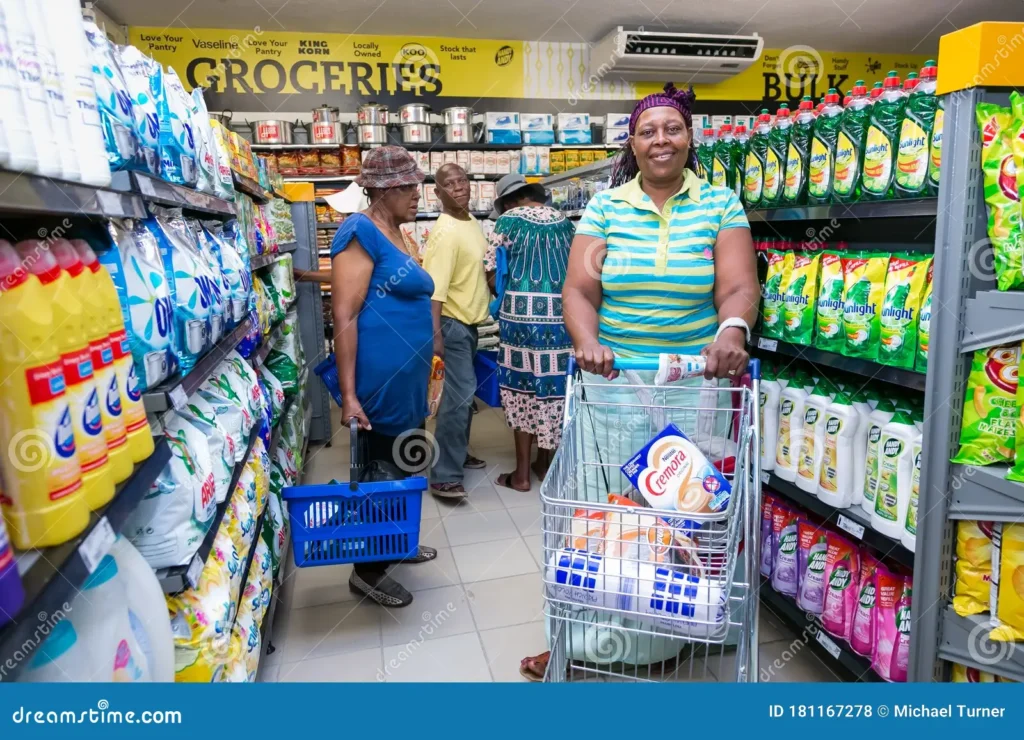

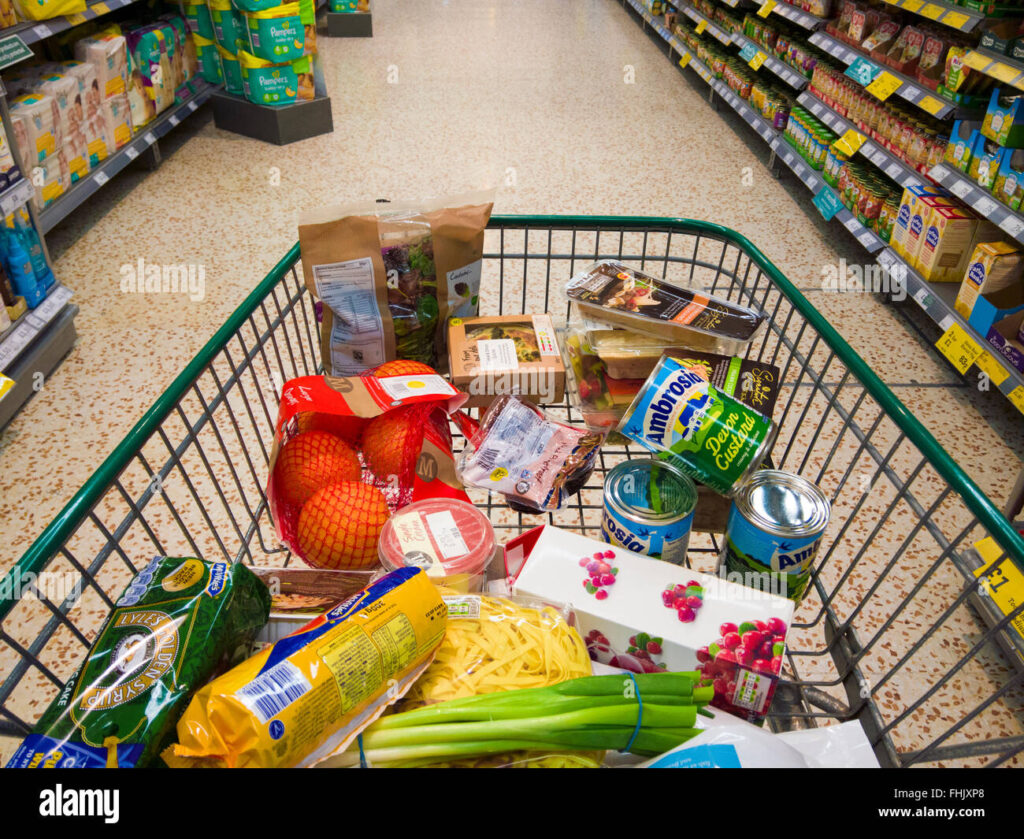
Why Every South African Household Needs a Weekly Shopping Checklist
Grocery prices in South Africa have climbed steadily over the past few years, and food remains one of the biggest line items in most household budgets. Research from Stats SA shows that lower-income households can spend up to half their salary on groceries, while middle-income families typically spend around a third of theirs. That makes a structured, repeatable shopping checklist one of the most effective tools for keeping costs under control, not a one-off diet fad, but a habit that pays off every single week. Continue to read more on The Ultimate Weekly Shopping Checklist for South Africa.
A good checklist does three things:
- Stops impulse buying by giving you a clear plan before you enter the store.
- Reduces food waste because you buy only what you’ll realistically use.
- Makes price comparison easy since you’re checking the same items across stores each week.
This guide walks through a complete, categorised checklist you can reuse indefinitely, plus practical, South Africa-specific tips for stretching your rand further, whether you shop at Checkers, Pick n Pay, Shoprite, Woolworths, Spar, Boxer, or a local spaza shop.
How South Africans Typically Structure Their Grocery Budget
Many South African households use a hybrid approach: one larger monthly shop for non-perishables and household basics, topped up with smaller weekly shops for fresh produce, bread, milk, and other items that spoil quickly. This approach tends to work well because:
- Bulk and monthly specials are usually cheaper per unit.
- Fresh produce bought weekly stays fresher and reduces waste.
- It’s easier to track a smaller weekly spend against a fixed portion of your budget.
If you’re paid weekly, the same principle still applies, just scale the numbers down and shop for fresh items more frequently while restocking pantry basics less often.
The Complete Ultimate Weekly Shopping Checklist for South Africa
Use this as a template. Tick off what applies to your household and adjust quantities to family size.
Fresh Produce (buy weekly)
- Onions, tomatoes, potatoes
- Leafy greens (spinach, cabbage)
- Carrots and butternut
- Bananas, apples, and seasonal fruit
- Fresh herbs (coriander, parsley)
Proteins
- Chicken (whole or portions)
- Mince or stewing beef
- Eggs
- Canned fish (pilchards, tuna), a budget-friendly, shelf-stable protein
- Legumes: lentils, dried beans, chickpeas
Dairy & Bread
- Milk (fresh or long-life, depending on usage speed)
- Cheese
- Yoghurt
- Fresh bread or bread-baking essentials
Pantry & Dry Goods (buy monthly, top up as needed)
- Maize meal, rice, and pasta
- Flour, sugar, and cooking oil
- Canned vegetables and tomatoes
- Stock cubes, spices, and sauces
- Peanut butter and jam
Household & Cleaning
- Dishwashing liquid and sponges
- Laundry powder or liquid
- All-purpose cleaner
- Toilet paper and paper towels
- Bin liners
Personal Care
- Soap and shower gel
- Toothpaste and toiletries
- Sanitary products
- Baby items, if applicable (nappies, formula, wipes)
Extras (as needed)
- Pet food
- Airtime/data (many supermarkets sell this at till points)
- Snacks and treats, budgeted separately to avoid overspend
Where to Shop: Comparing South African Supermarkets
| Store | Best For |
|---|---|
| Shoprite / Usave | Rock-bottom prices on core basics; Usave has a smaller, budget-first range |
| Checkers | Wide selection, strong weekly specials, and Sixty60 delivery |
| Pick n Pay | Good all-rounder with a solid loyalty (Smart Shopper) programme |
| Boxer | Straightforward, low prices on everyday essentials and bulk buys |
| Spar | Convenient, often community-based, good for top-up shops |
| Woolworths Food | Premium quality and convenience-ready meals, at a higher price point |
| Food Lover’s Market | Strong fresh produce and competitively priced bulk staples like rice and beans |
Many South African shoppers split their list across two or three stores in the same trip, for example, buying meat specials at one chain and produce at another, to capture the best price on each category.
Money-Saving Tips That Actually Work
- Use loyalty and rewards programmes. Smart Shopper, Xtra Savings, and similar apps regularly unlock personalised discounts and cash-back on staples.
- Shop VAT-free where possible. Certain basic items, including maize meal, rice, and dried beans, are zero-rated for VAT in South Africa, which keeps their price down relative to processed alternatives.
- Buy frozen vegetables. They’re often significantly cheaper than fresh, last much longer in storage, and cut down on waste.
- Plan meals before you shop. A week’s worth of meals mapped out in advance turns your checklist from a guess into a precise shopping list, this alone is one of the biggest predictors of staying under budget.
- Avoid shopping hungry. It’s a small thing, but it consistently leads to impulse purchases that blow the weekly budget.
- Batch-cook and freeze. Cooking several portions on a Sunday and freezing them reduces mid-week convenience purchases, which tend to be pricier per meal.
- Compare online prices before you go. Most major chains now list weekly specials online or via app, so you can build your checklist around what’s already discounted.
- Consider one bulk monthly shop plus small weekly top-ups. This blends the savings of bulk buying with the freshness of weekly produce runs.
Sample Weekly Budget Structure
While exact amounts vary by household size, income, and location, a practical way to structure a weekly grocery budget is:
- ~70–80% of your monthly grocery budget on the big monthly shop (pantry staples, household goods, bulk meat)
- ~20–30%, split evenly across the weeks of the month, for fresh top-ups (produce, bread, milk, eggs)
For example, a household with a R4,000 monthly grocery budget might allocate roughly R2,800–R3,200 to the monthly shop, and R700–R1,200 spread across four weekly top-up trips.
Frequently Asked Questions
How much should a South African family budget for weekly groceries? It depends heavily on household size, location, and income, but many South African families spend somewhere between R1,000 and R2,000 a month on fresh weekly top-ups alone, on top of a larger monthly staples shop. Comparing your own till slips over a month is the most accurate way to set your baseline.
Is it cheaper to shop weekly or monthly in South Africa? A hybrid approach usually works best: a larger monthly shop for non-perishables to take advantage of bulk pricing and specials, plus smaller weekly shops for produce and perishables to reduce waste.
Which South African supermarket is cheapest for groceries? Shoprite, Usave, and Boxer are generally recognised as the most affordable chains for everyday basics, while Checkers and Pick n Pay offer strong specials and loyalty discounts that can rival them on specific items.
What grocery items are VAT-free in South Africa? Basic foodstuffs such as maize meal, rice, dried beans, lentils, and a small list of other essentials are zero-rated for VAT, making them some of the most cost-effective pantry staples available.
A weekly shopping checklist isn’t about restriction, it’s about control. Once you have a reusable template for what your household needs, you can spend less time wandering supermarket aisles and more time comparing prices, catching specials, and sticking to a budget that actually works month after month. Bookmark this checklist, adapt the categories to your family’s needs, and update your list each week rather than starting from scratch, that’s the habit that turns grocery shopping from a stressful chore into a predictable, manageable routine.